
Key Takeaways
- Khao Sok sits on one of the oldest evergreen rainforests on the planet, with humid trails, slippery roots, and stream crossings that catch first-timers off guard.
- Solid trekking preparation starts with the right clothes and shoes: moisture-wicking long sleeves and trousers, closed-toe hiking shoes with real grip, and leech socks for the wet season.
- Match the trek to your fitness level. A half-day walk suits families and beginners, a full-day route rewards steady hikers, and a night safari adds nocturnal wildlife to either option.
- Trail conditions include high humidity, occasional rain, tree roots, and shallow water crossings, so pace yourself and carry more water than you think you need.
- Responsible trekking means staying on marked paths, packing out trash, and giving wildlife space to move naturally.
- For guided routes, insurance, and English-speaking local guides, jungle trekking in Khao Sok with a licensed operator is the best route.
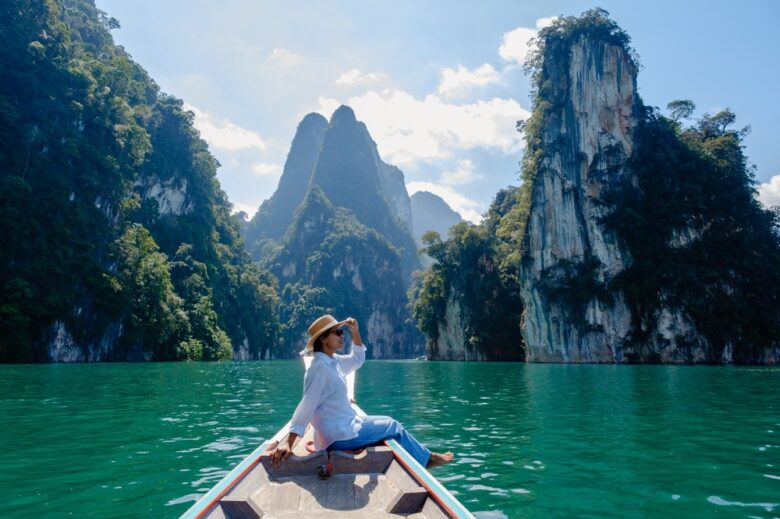
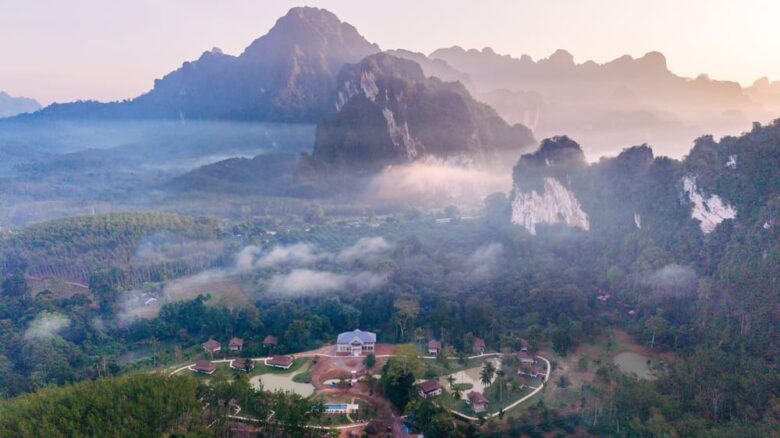
Khao Sok National Park, home to ancient evergreen rainforests, features intricate root systems, limestone karsts, and unique wildlife found only in Thailand. However, newcomers may not realize how humid, slippery, and unpredictable the trails can be, making trekking preparation a wise choice before venturing off-road.
Here’s information on packing, choosing the best route, and the trail experience under the overhead canopy.
Why Khao Sok Deserves Serious Prep
Khao Sok’s ecosystem is famous for a reason. The forest is warm and humid year-round, with heavy afternoon rain from May to October. Trails wind past ancient trees, thick undergrowth, and shallow streams, and the ground is often wet even in the dry season. Leeches are a normal part of the environment during and after rain, and small stream crossings can turn ankle-deep within an hour of a downpour.
None of this is a reason to stay away. A good plan lets you enjoy what the park has to offer, and good trekking preparation tips come down to three things: dress for the climate, respect the terrain, and match the trek to your fitness level.
Your Beginner Trekking Packing Checklist
Packing for Khao Sok is less about carrying more and more about carrying the right things. Here’s a solid trekking preparation checklist for beginners on what to pack for trekking in Khao Sok National Park during rainy season.
Apparel
Wear lightweight, moisture-wicking long trousers and a long-sleeved shirt. Long layers protect against insect bites, thorny undergrowth, and sun exposure at exposed sections. Avoid cotton clothing as it holds sweat and rain, and opt for quick-dry synthetics or merino instead for comfort.
Footwear
Essential items include sturdy, closed-toe hiking shoes or trail runners with good grip. Be prepared for wet roots, muddy patches, and shallow streams; wear something you’re okay with getting wet. For short, dry treks, trekking sandals with good grip are suitable, but for journeys exceeding half a day, closed shoes offer better protection.
Jungle Protection
Pack leech socks if you are trekking in the wet season or on longer trails, along with a strong insect repellent and reef-safe sunscreen. A wide-brim hat helps at open viewpoints. If you are prone to blisters, add a small pack of plasters and antiseptic wipes.
Gear and Hydration
A small daypack, a reusable water bottle of at least one liter, a lightweight rain poncho, and a dry bag for your phone cover the basics. Add a headlamp if you are joining a night safari, and a portable battery for humid days that drain phone batteries fast.

Choosing a Trek That Matches Your Level
Not every trail is beginner-friendly, so picking the right one is half the battle. Khao Sok offers a clear range of options for different fitness levels, so choose honestly rather than optimistically.
Half-Day Jungle Adventure
A guided walk of roughly three to four hours through giant bamboo groves, with chances to spot macaques, hornbills, and colorful insects. It’s a good choice for families and novice jungle explorers due to its slow pace and mild inclines.
Full-Day Jungle Trekking
A six to eight-hour route that heads deeper into the park, often including hidden waterfalls and quieter viewpoints. It is a real physical challenge in the heat, so it suits reasonably active travelers who are comfortable walking for most of the day with breaks.
Night Safari
An add-on rather than a stand-alone trek, the night safari uses spotting torches to look for civets, owlets, flying squirrels, and other nocturnal wildlife. It pairs well with either half-day or full-day treks and is great for catching a completely different side of the forest.
What to Expect on Khao Sok’s Trails
The air is thick with moisture and heat, and the path is littered with minor hindrances like exposed roots, muddy areas, low-hanging branches, and intermittent stream fords. Guides pause often to highlight medicinal plants, insect trails, and animal tracks, making the pace less strenuous than a typical hike due to frequent rest stops..
Responsible trekking matters here more than in most destinations. Good practices for trekking include:
- Stick to marked paths
- Avoid picking plants, especially any exotic ones
- Do not feed or approach wildlife
- Pack out every wrapper and bottle you bring in.
The Leave No Trace principles are a good baseline. Khao Sok’s guides also encourage quiet voices near known wildlife zones so animals stay comfortable enough to keep using their natural corridors.
Set Off Into Khao Sok With Confidence
With plentiful things to see in one of the oldest evergreen rainforests, a jungle trek in Khao Sok is easily enjoyable with the right preparation. It doesn’t take much, as the right clothes, honest route choice, and respect for the trail make trekking in Khao Sok genuinely accessible for beginners, even in the wet season.
No trek is complete without the ultimate base camp, and Khao Sok Jungle Hostel sits within walking distance of the national park entrance. Our treks are managed internally by licensed, English-speaking local guides, with insurance included and no additional third-party fees. We provide clear communication upfront, adaptable plans for changing weather, and a comfortable place to unwind.
Explore our packages for jungle trekking in Khao Sok today and book your dorm bed directly through our hostel. If you have custom routes or group questions, reach out to our team at info.khaosokjunglehostel@gmail.com for more info.
References:
Khao Sok National Park. Retrieved July 224, 2026, from https://www.tourismthailand.org/Attraction/khao-sok-national-park
Department of National Parks, Wildlife and Plant Conservation. Retrieved July 24, 2026, from https://portal.dnp.go.th
The 7 Principles of Leave No Trace. Retrieved July 24, 2026, from https://lnt.org/why/7-principles/
Frequently Asked Questions About Trekking in Khao Sok
Q: What should beginners pack for jungle trekking Khao Sok trips?
A: Lightweight moisture-wicking long trousers, a long-sleeved shirt, closed-toe hiking shoes with grip, leech socks for the wet season, insect repellent, reef-safe sunscreen, a small daypack, and a reusable water bottle of at least one liter.
Q: How difficult is trekking in Khao Sok for first-timers?
A: Half-day guided routes of three to four hours are suitable for most fitness levels. Full-day treks of six to eight hours involve steeper climbs, stream crossings, and longer stretches in heat and humidity, so beginners should start with a shorter option.
Q: Is Khao Sok trekking safe during the rainy season?
A: Yes, with the right prep. Trails get slippery and leeches are more active from May to October, so leech socks, a rain poncho, quick-dry clothing, and a licensed local guide are strongly recommended.
Q: Do I need a guide for trekking inside Khao Sok National Park?
A: Most trails inside the park either require or strongly recommend a licensed guide. Guided treks also include insurance and local knowledge of animal movements, weather patterns, and side routes that self-guided walkers rarely have access to.

Jidapa Sompan is a Surat Thani local and co-owner of Khao Sok Jungle Hostel, the family-run hostel she looks after with her sister. Having grown up beside one of the world’s oldest rainforests, she takes pride in giving every backpacker and independent traveler a warm welcome and a hassle-free base for exploring Khao Sok National Park. Through her guides, Jidapa shares practical advice, safety tips, and local recommendations to help visitors feel at home in Southern Thailand.